



BFRB Treatement In Indianapolis

Habit Reversal Training for Skin Picking & Hair Pulling

Sommer Psychology Group provides evidence-based Habit Reversal Training (HRT) and Comprehensive Behavioral (ComB) therapy in Indianapolis and online for individuals struggling with body-focused repetitive behaviors (BFRBs) such as skin picking, hair pulling, and nail biting. These approaches help you understand triggers, increase awareness of urges, and build healthier responses over time.

Does this sound like you?
Habit Reversal Training (HRT) & ComB Therapy can help.
Close-up of a person sitting with hands clasped and fingers fidgeting on their lap during ERP Therapy.

Living with BFRBs can feel like being stuck in a loop of urges, relief, and regret

Individuals with body-focused repetitive behaviors experience recurring urges to pick, pull, or bite that can feel difficult to control and interfere with daily life. These behaviors are often driven by tension, anxiety, boredom, or sensory discomfort, and may be followed by temporary relief and then frustration, shame, or regret. Common BFRBs include skin picking (dermatillomania), hair pulling (trichotillomania), and chronic nail biting.

Effective treatment focuses on evidence-based approaches like Cognitive Behavioral Therapy (CBT), Habit Reversal Training (HRT), and the Comprehensive Behavioral Model (ComB), which help increase awareness, identify triggers, and build alternative responses. With the right support, many people gain greater control over their behaviors and experience meaningful, lasting relief.

At Sommer Psychology Group, we help you find relief from the effects of BFRBs and develop the tools to create healthier, more fulfilling relationships with yourself and others.

Habit Reversal Training for BFRBs in indianapolis

How Therapy for BFRBs Can Transform Your Life

The outcomes of Habit-Reversal Training or ComB can differ from person to person, but with consistent effort and support, meaningful, lasting change is possible. As you progress, you may notice:

What We Treat in Therapy for BFRBs

Skin picking, also called excoriation disorder, is a body-focused repetitive behavior (BFRB) in which individuals repeatedly pick at their skin, often causing noticeable marks, irritation, or even scarring. These urges can occur during moments of stress, boredom, anxiety, or even automatically without awareness. While picking may bring temporary relief or a sense of control, it often leads to frustration, shame, and distress.

People with skin picking disorder may target areas like the face, arms, or scalp, and often try to hide the results of their behavior. They may spend significant time and energy managing the urge, covering marks, or attempting to resist the behavior—sometimes unsuccessfully. Over time, these patterns can interfere with daily life, relationships, work, and self-esteem.

Treatment for skin picking disorder focuses on evidence-based strategies to help you understand your triggers, increase awareness of urges, and develop healthier alternatives. Approaches like Habit Reversal Training (HRT), the Comprehensive Behavioral (ComB) model, Cognitive Behavioral Therapy (CBT), and Acceptance and Commitment Therapy (ACT) can reduce the frequency and intensity of picking, help you regain control, and improve overall quality of life. With the right support, individuals can break the cycle of urges and regain confidence in their skin and in daily life.


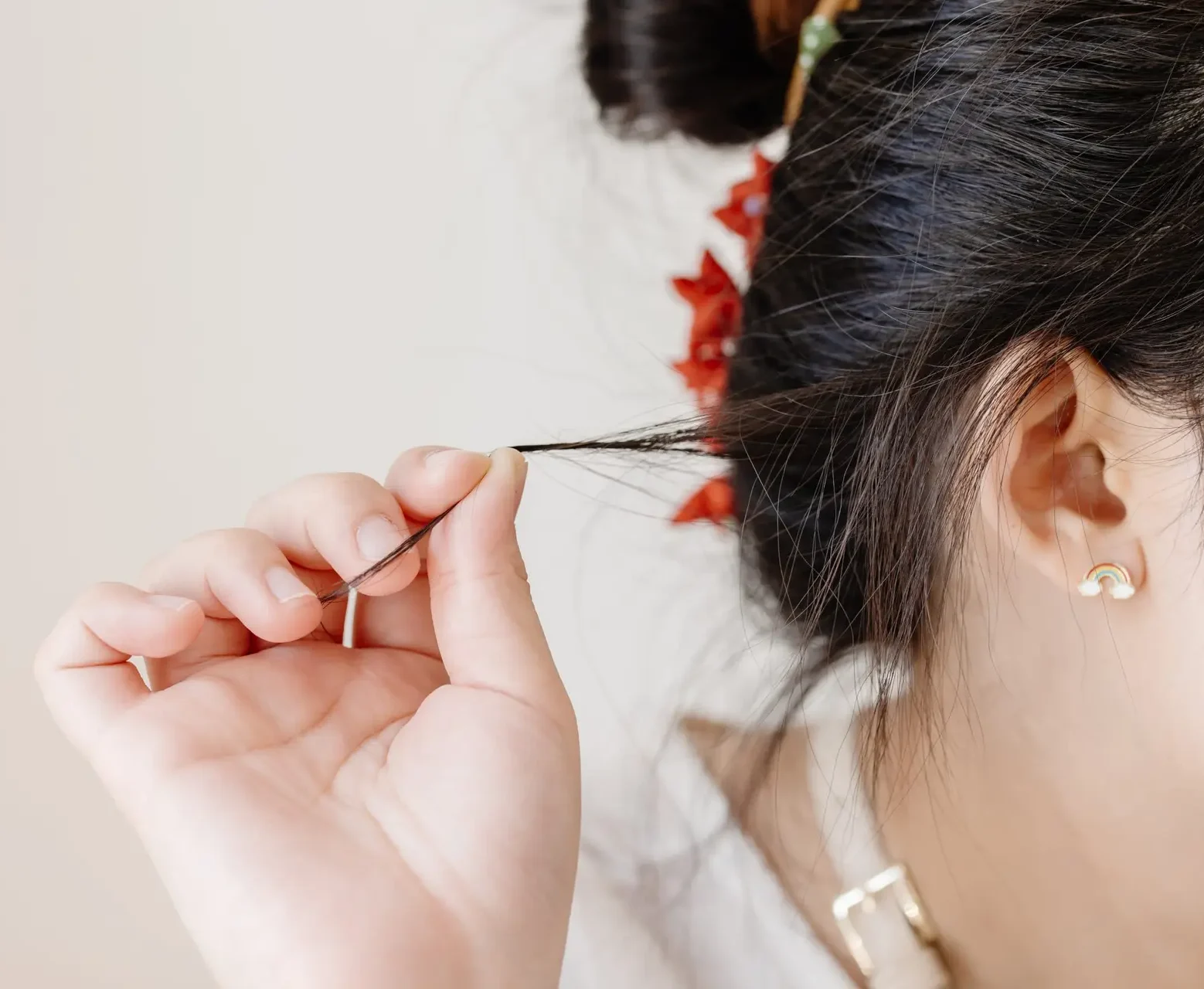
Hair pulling, also known as trichotillomania, is a body-focused repetitive behavior (BFRB) in which individuals feel a strong, often uncontrollable urge to pull out hair from the scalp, eyebrows, eyelashes, or other areas of the body. Pulling can occur during times of stress, boredom, anxiety, or even automatically, without full awareness. While it may provide temporary relief or satisfaction, it often leads to distress, embarrassment, and frustration.

People with trichotillomania may notice noticeable hair loss, uneven patches, or thinning areas, and may go to great lengths to hide the results. The behavior can interfere with daily routines, social situations, self-esteem, and overall quality of life. Many people also experience a cycle of tension before pulling, a brief sense of relief while pulling, and regret afterward.

Treatment focuses on evidence-based strategies to help you understand your triggers, increase awareness of urges, and develop healthier coping responses. Approaches such as Habit Reversal Training (HRT), the Comprehensive Behavioral (ComB) model, Cognitive Behavioral Therapy (CBT), and Acceptance and Commitment Therapy (ACT) can help reduce hair pulling, regain control, and improve confidence. With consistent practice and support, individuals can break the cycle of urges and engage more fully in daily life without the constant distraction of hair pulling.


Nail biting and cuticle picking are common body-focused repetitive behaviors (BFRBs) in which individuals repeatedly bite, chew, or pick at their nails and surrounding skin. These behaviors often occur during periods of stress, boredom, anxiety, or even without conscious awareness. While biting or picking may provide temporary relief, it can lead to discomfort, irritation, infections, or damage to the nails and surrounding skin.

People with these habits may try to hide the results or feel frustrated at their inability to stop, which can affect confidence, self-esteem, and daily interactions. Over time, the behavior can become a persistent cycle that feels difficult to break, despite repeated attempts to control it.

Treatment focuses on evidence-based strategies to help you recognize triggers, increase awareness of urges, and develop healthier alternatives. Approaches such as Habit Reversal Training (HRT), the Comprehensive Behavioral (ComB) model, Cognitive Behavioral Therapy (CBT), and Acceptance and Commitment Therapy (ACT) can reduce nail biting and cuticle picking, restore nail health, and help you feel more in control. With support and consistent practice, individuals can break the cycle of urges and regain confidence in their hands and daily life.

Cheek and lip biting are body-focused repetitive behaviors (BFRBs) in which individuals compulsively bite or chew the inside of their cheeks or lips. These behaviors often occur during stress, anxiety, boredom, or even without full awareness, and can lead to soreness, irritation, or injury inside the mouth. While biting may provide temporary relief or satisfaction, it often results in frustration, embarrassment, or shame.

People with cheek or lip biting habits may try to hide the behavior or its consequences, which can impact confidence, social interactions, and daily life. Over time, the behavior can become automatic, making it difficult to stop without guidance or support.

Treatment focuses on evidence-based approaches to help you understand triggers, increase awareness of urges, and replace biting with healthier alternatives. Techniques such as Habit Reversal Training (HRT), the Comprehensive Behavioral (ComB) model, Cognitive Behavioral Therapy (CBT), and Acceptance and Commitment Therapy (ACT) can help reduce the frequency and intensity of biting, heal oral tissue, and restore a sense of control. With consistent practice and support, individuals can break the cycle of urges and engage more fully in daily life without the distraction or discomfort of cheek or lip biting.

Knuckle cracking, fidgeting, or other repetitive hand behaviors are body-focused repetitive behaviors (BFRBs) in which individuals habitually manipulate, crack, or press their fingers and joints. These behaviors often occur during stress, boredom, anxiety, or without conscious awareness. While they may provide temporary relief or a sense of satisfaction, they can cause discomfort, irritation, or frustration over the difficulty of stopping.

People with these habits may find themselves performing them automatically throughout the day, sometimes noticing joint tension, soreness, or attention drawn to their hands. Over time, these behaviors can become habitual and interfere with concentration, social interactions, or self-confidence.

Treatment focuses on evidence-based strategies to help you recognize triggers, increase awareness of urges, and develop healthier alternative behaviors. Approaches such as Habit Reversal Training (HRT), the Comprehensive Behavioral (ComB) model, Cognitive Behavioral Therapy (CBT), and Acceptance and Commitment Therapy (ACT) can reduce the frequency and intensity of hand-focused behaviors and help restore control. With consistent practice and support, individuals can break the cycle of repetitive hand behaviors and feel more at ease in daily life.

Repetitive grooming behaviors are body-focused repetitive behaviors (BFRBs) in which individuals excessively brush, comb, tweese, or manipulate hair, skin, or nails beyond typical grooming routines. These behaviors often occur during stress, anxiety, boredom, or without conscious awareness, and can lead to irritation, skin damage, or frustration when the behavior feels difficult to control.

People with repetitive grooming habits may spend significant time performing these actions, often noticing physical effects like redness, soreness, or minor injuries. The behavior can interfere with daily routines, social situations, and self-esteem, and may become automatic over time, making it hard to stop without guidance.

Treatment focuses on evidence-based strategies to help you identify triggers, increase awareness of urges, and replace harmful grooming behaviors with healthier alternatives. Techniques such as Habit Reversal Training (HRT), the Comprehensive Behavioral (ComB) model, Cognitive Behavioral Therapy (CBT), and Acceptance and Commitment Therapy (ACT) can reduce the frequency and intensity of grooming behaviors, restore physical health, and help you feel more in control. With support and consistent practice, individuals can break the cycle of repetitive grooming and regain confidence in their daily life.

We are here to help you overcome BFRBs.

Mandy Enstrom profile picture
Mandy Enstrom
6 months ago
Our family is beyond grateful for the Sommer Psychology Group. The staff are incredibly responsive, reliable, and compassionate. Their care for adolescents and college-age adults is unmatched. We have in the past and will continue to recommend them to families looking for resources and guidance.

Kyle Fouch profile picture
Kyle Fouch
6 months ago
As a medical provider of mental health services, Sommer Psychology Group shines as a leader in providing thorough care and support for those struggling with mental illness. We share many patients through referrals, both given and received. Their ability to collaborate is a testament to their care for patient outcomes and support. I recommend Sommer's as a medical professional looking for a supportive practice for your patients.

Linda Lewis profile picture
Linda Lewis
7 months ago
Leslie Sommer was a trusted therapist for my daughter during her teenage years. She helped her achieve her goals and reflect on what kind of choices she wanted to be making with her life. Leslie supported her in navigating the ups and downs of evolving friendships, family tensions, and adolescence in general. My daughter looked forward to her appointments. I couldn't recommend her more.

Makiya stewart profile picture
Makiya stewart
7 months ago
I worked with Leslie as my therapist for several years addressing concerns such as generalized anxiety, social anxiety, complex trauma, and adhd. I cannot recommend her services enough! Her trauma-informed, supportive approach improved my wellbeing drastically.

Teryn McGlothlin profile picture
Teryn McGlothlin
7 months ago
I am proud to refer clients to Leslie and her team at Sommer Psychology Group, LLC, as their approach is grounded in real-world resilience and a deep-rooted commitment to healing. Leslie brings a unique perspective to her leadership that can only come from someone who truly understands the journey of growth from the inside out. Her practice is a vital resource, and the quality of care provided here is second to none.

John Soots profile picture
John Soots
8 months ago
Leslie made a meaningful difference in our daughter’s life at a time when she truly needed support. She was a reassuring presence and helped our daughter navigate difficult moments with more confidence. We are grateful for the work and care she provided!

Lana Beck-Cruce profile picture
Lana Beck-Cruce
8 months ago
I cannot recommend Leslie enough as a therapist, particularly for teenagers and young adults. She has a calm, caring, direct demeanor that worked so well for my child, and her professionalism and communication are excellent. She is goal-oriented and works with her clients to make a plan for success that works for them. I have nothing but wonderful things to say!

Sam Richardson profile picture
Sam Richardson
8 months ago
Leslie and her team are equal parts caring and professional. SPG therapist's are knowledgeable, caring, warm, and helpful. I would recommend Leslie or any member of her team to anyone seeking help with Anxiety, OCD, or ADHD.

Seja Brumley profile picture
Seja Brumley
10 months ago
Leslie was a nourishing source of support for our teenage daughter. She provided gentle and supportive care to our daughter, while also providing clear tools and methods for her to utilize on her own if going through a hard moment. Leslie would bring my husband and I in regularly to update us on how our daughter was doing and check in with us as well. We are so grateful for Leslie and the care and support that she provided to our whole family.

Gergana May profile picture
Gergana May
10 months ago
I have only praise for Leslie! As my child’s therapist for two years, she distinguished herself in many different ways. I reached out to her in a moment of dire need, and she acted quickly and efficiently. Her steady professionalism, positive attitude, calming approach, patience and enthusiasm were of utmost importance to me as a parent. In addition, there was excellent communication – she goes out of her way to return emails and calls promptly. I loved her constructive and practical attitude. She is a real problem-solver.

Christopher Enstrom profile picture
Christopher Enstrom
11 months ago
Leslie has been wonderful to work with. She provided clear guidance, information, and support when our family needed it most, and she always does so with both professionalism and genuine care. She communicates appropriately and respectfully, honoring privacy boundaries while still helping ensure everyone involved feels supported. It’s incredibly reassuring to know she brings such empathy and expertise to her clients.

Habit Reversal Training for BFRBs in indianapolis

What is Therapy for BFRBs?

Body-focused repetitive behaviors can feel relentless, showing up automatically throughout your day. Whether it’s urges to pick your skin, pull your hair, or bite your nails during moments of stress, boredom, or even without realizing it, these behaviors can leave you stuck in a cycle of tension, brief relief, and frustration.

During therapy, we work together to understand the triggers behind your behaviors, uncover patterns, and create a personalized plan to manage urges. Our approach uses evidence-based techniques like Habit Reversal Training (HRT) and the Comprehensive Behavioral (ComB) model, helping you increase awareness, develop alternative responses, and reduce the hold these behaviors have on your daily life.

This therapy is about more than short-term relief—it equips you with lasting strategies to regain control, reduce urges, and live with greater confidence and ease.

We guide you beyond simply coping, helping you manage urges and build lasting control and confidence over your body-focused repetitive behaviors.

Strategies We Apply in BFRB Therapy

At Sommer Psychology Group, we use evidence-based strategies to help you manage body-focused repetitive behaviors (BFRBs) and achieve lasting change. We tailor our approach to your unique patterns and triggers, providing practical tools that empower you to gain control, reduce urges, and feel more confident in your daily life.

Habit Reversal Training (HRT) is a structured, evidence-based therapy designed to help people gain control over repetitive behaviors like skin picking, hair pulling, or nail biting. It works by helping you become more aware of the urges and triggers that lead to the behavior, and then teaching practical strategies to replace it with healthier, alternative actions.

Through HRT, you learn to notice the early signs of an urge, implement competing responses, and gradually reduce the frequency and intensity of the behavior. Over time, this approach helps break the cycle of automatic habits, giving you greater control, confidence, and relief from the stress and frustration these behaviors can cause.

The Comprehensive Behavioral (ComB) model for treating BFRBs views these behaviors—like skin picking, hair pulling, or nail biting—as the result of multiple interacting factors rather than a single cause. ComB helps you understand how biological, emotional, cognitive, sensory, and environmental triggers combine to drive your urges.

By identifying your unique patterns and triggers, ComB guides you to develop personalized strategies to reduce urges and replace the behavior with healthier alternatives. This approach may include modifying your environment, managing emotions and stress, addressing sensory needs, and using habit reversal techniques—all tailored to your specific experiences. Over time, ComB helps break the cycle of BFRBs, giving you greater awareness, control, and lasting relief.


Cognitive Behavioral Therapy (CBT) can be highly effective for treating body-focused repetitive behaviors (BFRBs) by addressing the thoughts, feelings, and behaviors that maintain these habits.

BFRBs often appear as urges to pick, pull, bite, or groom, which can lead to patterns like hiding affected areas, avoiding social situations, or feeling shame and frustration. While these behaviors may provide brief relief, they often reinforce negative thought patterns and keep you stuck in a cycle of urges and distress.

In CBT for BFRBs, the goal is to help you understand the connection between your thoughts, emotions, and behaviors. You learn to identify triggers, challenge unhelpful beliefs, and develop strategies to manage urges more effectively.

Treatment focuses on building practical skills to reduce behaviors and manage underlying stress or anxiety. For example, someone might learn to recognize a thought like “I can’t stop picking” and replace it with a healthier response, or use problem-solving strategies to cope with stress instead of turning to the behavior.

Over time, CBT can decrease the frequency and intensity of BFRBs, reduce negative self-talk and shame, and help you regain control, improving confidence and engagement in daily life—even when urges still occur.

Acceptance and Commitment Therapy (ACT) can be highly effective for treating body-focused repetitive behaviors (BFRBs) by helping you change your relationship with urges instead of trying to fight or eliminate them.

BFRBs often show up as strong, repetitive urges to pick, pull, bite, or groom, which can lead to patterns like hiding affected areas, avoiding situations, or feeling frustrated and ashamed. While giving in to the behavior may bring temporary relief, it often reinforces a cycle of tension and guilt.

In ACT, the goal isn’t to stop the urges entirely, but to help you notice them without letting them dictate your actions. You learn to accept uncomfortable sensations or thoughts, observe them mindfully, and commit to behaviors that align with your values.

Treatment focuses on building psychological flexibility—helping you stay present, open to discomfort, and willing to take meaningful action. For example, someone might notice an urge to pull hair but choose to engage in a valued activity, like working, studying, or connecting with others, rather than acting on it.

Over time, ACT can reduce the control BFRBs have over your life, shift your focus outward rather than inward, and help you engage more fully in work, relationships, and personal goals—even while occasional urges still occur.

ABOUT US

Why Work With Sommer Psychology Group

We understand that life can sometimes feel overwhelming, whether it’s managing anxiety, balancing responsibilities, or facing the fear of the unknown. As specialists who work with individuals who struggle with anxiety, OCD, and related disorders, we aim to help you find your way forward.

Our approach is solutions-focused and evidence-based, designed to meet your unique needs and help you achieve lasting change. Whether you’re dealing with stress, life transitions, or relationship challenges, we are dedicated to giving you the tools to overcome obstacles and thrive.

At Sommer Psychology Group, we believe in the power of quality care. That means giving you dedicated, thoughtful, and individualized support, with the flexibility of virtual sessions that fit into your life, wherever you are.

Our evidence-based therapy is grounded in three core principles:

Integrity

We believe integrity is the foundation of effective therapy. It fosters trust, respect, and accountability, ensuring our clients receive honest, consistent, and ethical guidance throughout their journey.

Compassion

Compassion is at the heart of our practice. It nurtures emotional healing, creating a safe space where clients can feel heard, valued, and understood while developing a culture of collaboration and respect.

Quality Care

We prioritize quality care to ensure the best outcomes for our clients. By addressing both clinical needs and emotional well-being, we build trust and deliver effective therapy that supports long-term growth and success.

Meet Our BFRB Therapists

At Sommer Psychology Group, our specialized team of clinicians are dedicated to supporting individuals struggling with anxiety, OCD, and related disorders. We offer comprehensive care through assessment and evaluation, evidence-based therapy and treatment, education and ongoing consultation.

Our Approach

How Our BFRB Therapy Works

Our approach is designed to help you better understand the roots of your body-focused repetitive behaviors, identify your unique triggers, and build practical skills to manage urges, reduce harmful behaviors, and achieve lasting control and confidence.

1
Breaking the Ice

We begin with a comprehensive intake session to understand your unique experience with body-focused repetitive behaviors—how the urges show up, what triggers them, and how they affect your daily life. This helps build a foundation of trust and allows us to tailor treatment specifically to your needs.

2
Understanding Your BFRBs:

Through assessments and collaborative goal-setting, we work together to identify the urges, triggers, and emotional responses that contribute to your body-focused repetitive behaviors. This helps clarify where to focus and what meaningful change can look like for you.

3
Building Your BFRB Toolkit:

You’ll learn evidence-based strategies, such as Habit Reversal Training (HRT), the Comprehensive Behavioral (ComB) model, and Cognitive Behavioral Therapy (CBT), to manage urges, reduce harmful behaviors, and build confidence in controlling your BFRBs. These tools support long-term progress, self-control, and emotional well-being.

Habit Reversal Training for BFRBs in indianapolis

Questions About BFRB Therapy

While body-focused repetitive behaviors (BFRBs) can’t simply be “cured,” they can be effectively treated and managed using evidence-based strategies such as Habit Reversal Training (HRT), the Comprehensive Behavioral (ComB) model, Cognitive Behavioral Therapy (CBT), Acceptance and Commitment Therapy (ACT), or a combination of these approaches. Our therapists specialize in a range of BFRBs, including skin picking (excoriation disorder), hair pulling (trichotillomania), nail biting, cuticle picking, cheek and lip biting, and repetitive grooming behaviors. With the convenience of online therapy, they work collaboratively with you to develop a personalized treatment plan tailored to your patterns and triggers, helping you gain control, reduce urges, and achieve lasting change.

The key to reducing the impact of BFRBs is learning and practicing effective coping strategies. In BFRB therapy, we teach tools to increase self-awareness, manage urges, and strengthen emotional regulation. Techniques like Habit Reversal Training (HRT), mindfulness, cognitive reframing, and behavioral strategies help you regain control over urges, reduce repetitive behaviors, and prevent them from interfering with daily life, work, or relationships.

Body-focused repetitive behaviors (BFRBs) are complex, and there isn’t a single cause. They often develop from a combination of genetic, neurological, and environmental factors. Common contributors include family history, stress, anxiety, perfectionism, sensory sensitivities, and difficulty regulating emotions. Conditions like ADHD, OCD, or trauma can also increase the likelihood of developing a BFRB.

BFRBs can feel automatic and hard to control because the brain forms habitual loops where urges trigger the behavior, which then provides brief relief or satisfaction. Over time, these habits become reinforced, making it difficult to stop without targeted strategies. Understanding your triggers and patterns is the first step toward breaking the cycle and gaining lasting control.

The timeline for reducing or stopping a BFRB varies for each person, depending on factors like the type of behavior, its severity, and individual triggers. Many people begin to notice improvements within a few weeks of starting therapy, while a full treatment plan often lasts around 10–12 weeks. The goal is not just short-term relief, but building lasting skills to manage urges, prevent relapses, and gain greater control over your behaviors over the long term.

 
Have more questions?

Have More Questions?

Contact Us

Send us a message and we’ll get back to you shortly.

You acknowledge that by submitting this form, you are providing what may be considered “sensitive data” and consent to Sommer Psychology Group’s Privacy Policy & Terms. By submitting this information, you consent to receive communication from Sommer Psychology Group about our services via text, calls, or by email at the address provided.

Ready to get started?

We can answer questions about best fit, cost, and timing before you start therapy.
Contact Us

Sommer Psychology Group

Freedom from BFRBs is possible with the right support

Licensed Provider in the State of Indiana