
Your heart races before a meeting. You lie awake replaying conversations. Even small decisions feel heavier than they should.
When anxiety starts shaping your days and nights, it can feel exhausting. You may begin wondering how anxiety is treated and if real relief is possible.
Anxiety is common, but that does not make it easier to live with. Left unaddressed, it can quietly limit relationships, work, and your sense of steadiness.
With the right approach, it is highly treatable. At Sommer Psychology Group, this is a central focus of our work.
In this guide, we’ll walk through two primary first-line treatments for anxiety: structured therapy and, when appropriate, medication. These approaches are supported by clinical guidelines and are often used together or individually, depending on symptom severity.
Therapy: Building Skills That Last
Therapy is often the starting point because it teaches practical tools that continue working beyond sessions. It focuses on changing patterns that maintain anxiety rather than simply reducing symptoms temporarily.
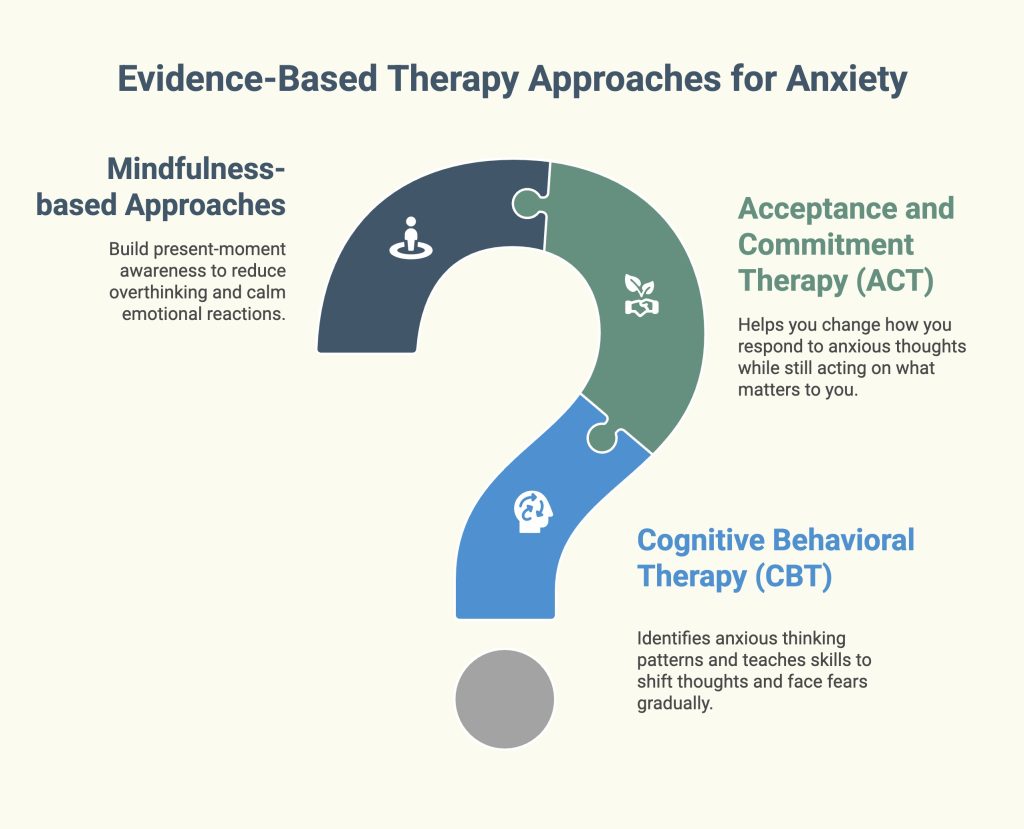
Cognitive Behavioral Therapy (CBT) is one of the most widely used approaches. In structured sessions, clients learn to identify anxious thought patterns and test them against more balanced interpretations. Gradual exposure to feared situations helps reduce avoidance, which is one of the strongest drivers of persistent anxiety.
CBT is commonly used for generalized anxiety, panic symptoms, and social anxiety. Many clients report reduced intensity of worry and greater confidence navigating situations that once felt overwhelming.
Other evidence-based therapy approaches may also be used, including:
- Acceptance and Commitment Therapy (ACT): Focuses on changing your relationship with anxious thoughts while increasing actions aligned with your values.
- Mindfulness-based approaches: Help reduce persistent rumination by strengthening present-moment awareness and emotional regulation skills.
Medication: When Additional Support Is Helpful

For moderate to severe anxiety, medication may be recommended alongside therapy. Medication is not required for everyone, but it can reduce symptom intensity and make therapeutic work more accessible.
Medications typically include SSRIs and SNRIs. These medications help regulate neurotransmitters involved in mood and stress response. Benefits often develop gradually over several weeks.
Most people tolerate these medications well, though mild side effects can occur early in treatment. Unlike others, SSRIs and SNRIs are not considered addictive and are generally safer for long-term use.
Medication decisions are made collaboratively with a prescribing provider. Some individuals use medication short-term while building therapy skills, while others continue longer depending on their needs.
How Anxiety Treatment Typically Works

Anxiety treatment is individualized, but many plans follow a gradual structure. Progress often unfolds in stages rather than all at once.
Weeks 1–4: Assessment and Planning
Treatment typically begins with a clinical assessment. This may include structured questionnaires and a detailed discussion of symptoms, history, and goals.
A plan is developed that may include therapy, medication if appropriate, and small regulation practices. Early sessions focus on building understanding and creating stability.
Months 1–3: Skill Development
During this phase, therapy sessions focus on learning and practicing new skills. Clients work on identifying thought patterns, reducing avoidance, and improving emotional regulation.
If medication is part of the plan, dosage adjustments may occur during this period. Many people begin noticing gradual shifts in symptom intensity.
Months 3–6: Consolidation
As skills strengthen, clients begin applying them more independently. Exposure exercises may expand to more challenging situations. Confidence often increases as avoidance decreases.
Medication decisions are reviewed collaboratively, depending on progress and comfort.
Longer-Term Support
Some people benefit from occasional booster sessions to maintain gains. Others transition out of regular treatment once symptoms are stable.
The pace of progress varies. Treatment is adjusted based on individual needs rather than a fixed timeline.
Essential Support: Ways to Calm Anxiety Attack

These supports are not replacements for therapy or medication. They strengthen treatment by helping regulate the nervous system and reduce vulnerability to spikes in anxiety.
When symptoms rise, structured regulation tools can help settle the body:
- 4-7-8 Breathing: Inhale for four seconds, hold for seven, and exhale for eight. Slowing the breath helps reduce heart rate and signals safety to the nervous system.
- 5-4-3-2-1 Grounding: Name five things you see, four you feel, three you hear, two you smell, and one you taste. This shifts attention from internal panic to the present environment.
- Progressive Muscle Relaxation: Gradually tense and release muscle groups from feet to head to reduce physical tension.
- Gentle Movement: Walking or stretching helps discharge built-up adrenaline and restlessness.
Practicing these consistently makes them easier to access during stressful moments. Longer-term lifestyle foundations also support stability:
- Regular Exercise: Moderate movement most days helps regulate stress hormones and improve mood.
- Consistent Sleep Schedule: Predictable sleep and limited late-night screen exposure reduce emotional reactivity.
- Balanced Nutrition: Limiting caffeine and maintaining steady meals supports blood sugar and nervous system balance.
These practices work by calming physiological activation, which makes therapeutic skills easier to apply. Small, steady adjustments tend to be more sustainable than dramatic changes.
Moving Forward With Treatment
Anxiety can become so familiar that it starts to feel like part of your personality. Constant tension, overthinking, or avoidance can quietly shape daily choices without you fully noticing how much space it has taken.
If you have been wondering how anxiety is treated, the answer is grounded in steady, evidence-based care that reduces intensity and strengthens regulation. Treatment focuses on helping you respond with greater stability rather than urgency.
Meaningful change is possible. When you feel ready to move forward, reach out today to begin the next step.
Frequently Asked Questions
How do I know if my anxiety requires professional treatment?
If anxiety is interfering with sleep, concentration, relationships, or daily responsibilities, it may benefit from professional care. Frequent panic symptoms, avoidance behaviors, or persistent physical tension are additional indicators. A mental health assessment can clarify severity and determine whether therapy, medication, or combined treatment is appropriate.
What is usually the first treatment recommended for anxiety?
Structured therapy is typically recommended first, particularly Cognitive Behavioral Therapy (CBT). CBT focuses on identifying anxious thinking patterns and reducing avoidance behaviors that maintain symptoms. For moderate to severe cases, medication may be added to reduce symptom intensity and improve overall functioning.
How long does anxiety treatment usually take to work?
Some people begin noticing improvement within several months of consistent treatment. Early sessions focus on stabilization and skill development, while later stages strengthen confidence and independence. Duration varies based on symptom severity, personal history, and how regularly therapeutic strategies are practiced outside sessions.
Can anxiety improve without medication?
Many individuals successfully reduce anxiety through therapy alone, especially when symptoms are mild to moderate. Medication may be recommended when symptoms are severe, persistent, or significantly impairing daily life. Treatment decisions are individualized and guided by clinical evaluation and personal comfort.
Is anxiety treatment different for panic attacks?
Panic-focused treatment often includes targeted exposure work and interoceptive exercises that reduce fear of physical sensations. Therapy helps individuals reinterpret bodily symptoms and decrease avoidance. When panic symptoms are frequent or intense, medication may be considered alongside behavioral interventions.