
A racing heart. Tight shoulders that never fully relax. An unsettled stomach that appears without warning. These sensations can feel alarming, especially when there is no obvious crisis happening.
Stress and anxiety physical symptoms are not random. They reflect a stress response that has been triggered, sometimes subtly, sometimes repeatedly. When this activation continues without resolution, physical discomfort can become persistent.
Below, we’ll outline common physical signs of stress and anxiety, explain why they occur, and describe practical ways to respond. Understanding these patterns can help reduce confusion and support steadier regulation over time.
Physical Symptoms of Stress

Stress tends to build gradually under ongoing pressures such as work demands, caregiving responsibilities, or long-term uncertainty. It activates a sustained alert state, keeping the body braced rather than triggering a sharp surge.
The effects often show up in muscles, digestion, sleep, and overall energy.
Muscle and Pain Signals
Neck, shoulder, or back tension may feel like tight knots that never fully release. Tension headaches can create a dull, band-like pressure around the head. Jaw clenching or teeth grinding often happens unconsciously and becomes noticeable by the end of the day.
Stomach and Digestion Changes
Chronic pressure can slow digestion, leading to cramps or bloating. Appetite may shift, resulting in skipped meals or stress-related eating. Constipation or sluggish digestion can develop as stress hormones interfere with normal gut rhythms.
Sleep and Energy Disruption
You may feel “tired but wired,” physically drained yet unable to relax. Sleep can become fragmented, with early morning waking and racing thoughts. Some people oversleep as the body attempts to recover from prolonged strain.
These symptoms often linger, reflecting steady, cumulative pressure rather than sudden spikes.
Anxiety Physical Symptoms List
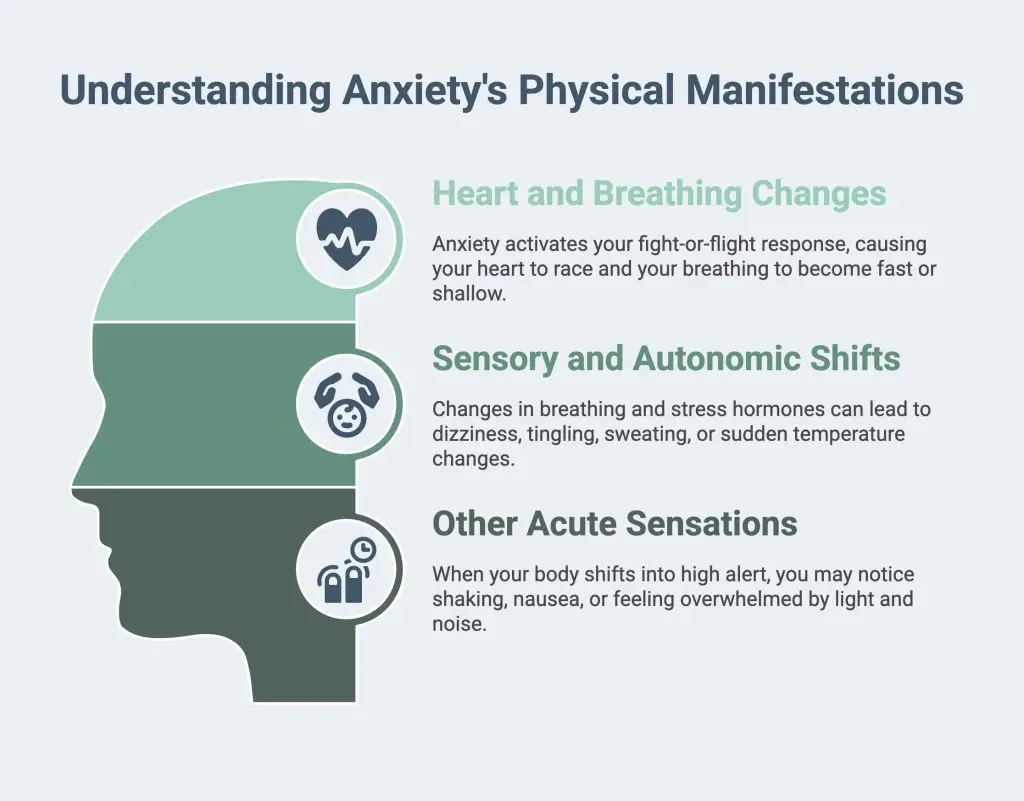
Anxiety tends to activate more abruptly, often linked to anticipation or “what if” thinking. The response is sharper and more intense, primarily affecting heart rate, breathing, and sensory awareness.
Heart and Breathing Changes
A rapid or pounding heartbeat can appear suddenly, even without exertion. Chest tightness may feel constricting and concerning. Breathing can become shallow or fast, leading to a sense of not getting enough air.
Sensory and Autonomic Shifts
Dizziness or lightheadedness may occur when breathing patterns change. Tingling in the hands or feet can accompany heightened arousal. Sweating, chills, or temperature fluctuations often reflect sudden hormonal surges.
Other Acute Sensations
Shaking or trembling may appear during peak moments. Nausea or a fluttering stomach can develop quickly. Sensory sensitivity, such as feeling overwhelmed by light or noise, may intensify.
Anxiety symptoms typically surge and then subside as the body recalibrates, which distinguishes them from the steadier pattern seen in chronic stress.
Why Your Body Reacts This Way
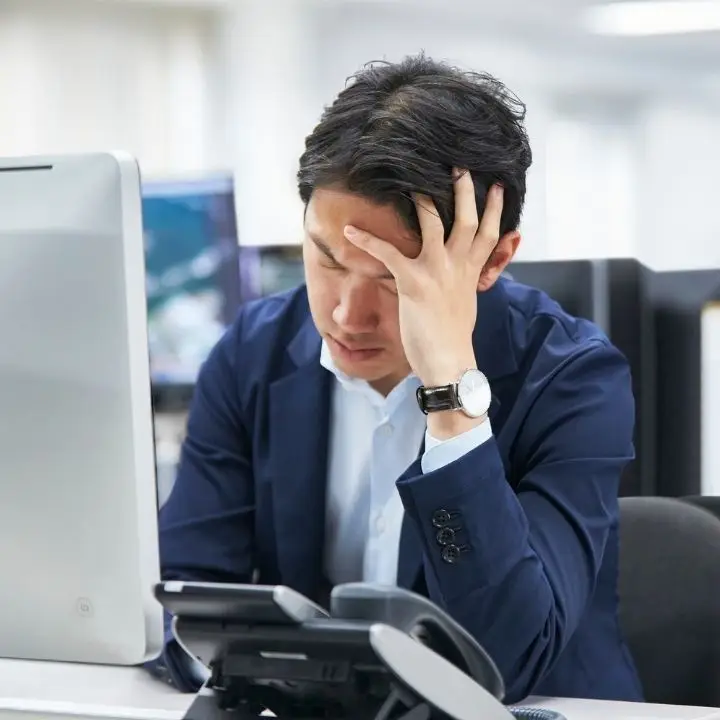
Your body is built with a rapid alert system designed to protect you from danger. When a threat is detected, stress hormones increase heart rate, tighten muscles, and sharpen focus so you can respond quickly.
In short bursts, this response is efficient and protective. It helps you act, solve problems, and stay safe. The challenge is not the system itself, but how frequently and how long it remains activated.
Stress and anxiety activate this same system in slightly different ways. Ongoing stress, such as work pressure or family strain, can keep the body in a steady state of tension.
Anxiety, especially future-focused worry, can trigger sharper spikes of alert even when no immediate danger is present. In both cases, the brain reacts to perceived threat, not just physical risk.
Modern stressors such as constant notifications, unresolved responsibilities, and uncertainty can keep this alarm system switched on longer than intended. The brain does not clearly separate emotional strain from physical danger, so the body responds to both as if they require action.
When activation becomes prolonged or repeatedly triggered, the body struggles to return fully to baseline. This is why physical symptoms can feel ongoing or unpredictable.
Your body is not malfunctioning. It is responding as designed, but to signals that are no longer true emergencies. With awareness and steady regulation practices, this response can become more balanced and settle more reliably.
Spotting Patterns In Your Symptoms

Noticing patterns in your stress and anxiety physical symptoms can make them feel more understandable and less random.
Short-term stress may show up in heart rate or breathing changes, while ongoing pressure often appears as muscle tension, sleep disruption, or digestive shifts.
Try tracking for one week. Write down when symptoms appear and what was happening beforehand. You may notice patterns such as:
- Morning tension or headaches after restless sleep
- Evening fatigue that feels “tired but wired”
- Digestive discomfort before social events or difficult conversations
Quick Calming Techniques and Building Everyday Resilience
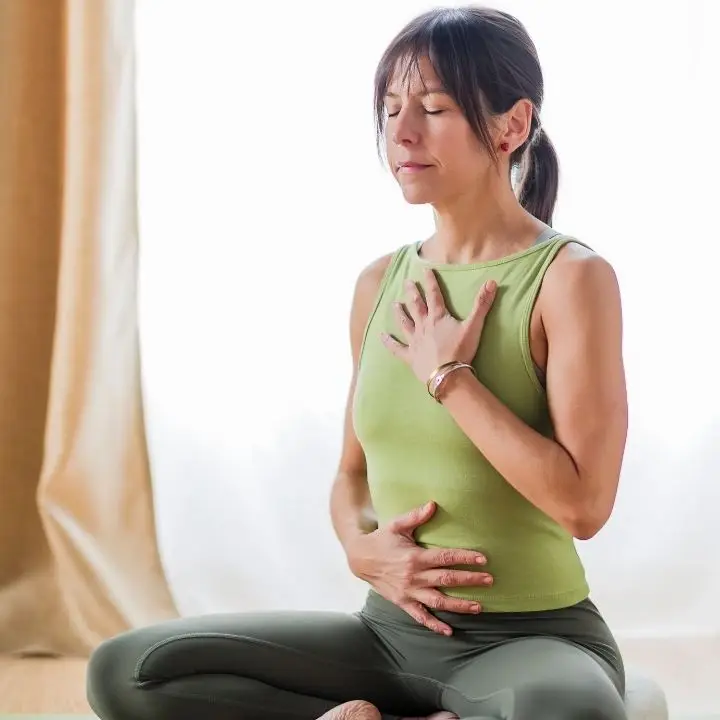
Immediate tools can ease stress and anxiety physical symptoms when they spike, while steady habits reduce how often they occur. Both short-term regulation and long-term resilience matter.
In-the-moment techniques:
- Deep belly breathing: Inhale for 4 counts, hold for 4, exhale for 6. Repeat five times to slow the heart rate and stabilize breathing.
- Progressive muscle relaxation: Tense and release muscle groups from toes upward to discharge stored tension.
- Grounding (5-4-3-2-1): Identify 5 things you see, 4 you touch, 3 you hear, 2 you smell, and 1 you taste to anchor attention in the present.
- Gentle movement: A brief walk or light stretching helps lower physical activation and ease tight muscles.
Daily resilience habits support long-term stability. Prioritize 7–9 hours of sleep with a consistent wind-down routine and limited evening screen time. Eat balanced meals while reducing excess caffeine and sugar that can intensify physical symptoms.
If symptoms remain persistent or disruptive, structured therapy can help address underlying patterns and improve regulation more sustainably.
Restoring Calm From the Inside Out
Stress and anxiety physical symptoms are not random or signs that something is wrong with you. They are signals that your body has been working hard to protect you. When you begin to understand why they happen, the fear around them often softens.
Awareness, daily regulation tools, and structured support can reduce intensity and restore steadiness.
You do not have to manage persistent symptoms alone. With the right guidance, it is possible to calm reactivity and rebuild a more stable baseline. If your symptoms continue or feel overwhelming, reach out today to begin a thoughtful, structured path toward relief.
Frequently Asked Questions
Can Stress And Anxiety Cause Physical Symptoms Every Day?
Yes, they can. When your stress response stays activated for extended periods, the body may remain tense, fatigued, or uncomfortable even without a clear trigger. Daily symptoms often reflect ongoing pressure, unresolved worry, or poor recovery time. Identifying patterns and improving regulation can gradually reduce how frequently symptoms appear.
How Long Do Stress And Anxiety Physical Symptoms Last?
Physical symptoms can last minutes, hours, or longer depending on the level of activation. Acute anxiety symptoms often rise quickly and settle once the body recalibrates. Chronic stress symptoms may linger if underlying pressures remain constant. Consistent sleep, nutrition, and structured coping tools help shorten recovery time.
Can Anxiety Cause Chest Pain And Shortness Of Breath?
Yes, anxiety can create chest tightness and changes in breathing. Rapid breathing or muscle tension around the chest wall can mimic more serious conditions. However, new or severe symptoms should always be evaluated medically first. Once ruled out, targeted stress reduction and therapy often reduce recurrence.
Why Do Stress Symptoms Affect The Stomach So Much?
The digestive system is highly sensitive to stress hormones. When your body detects threat, digestion slows so energy can shift toward immediate action. This can lead to cramping, bloating, appetite changes, or bowel shifts. Improving regulation and reducing chronic tension often improves gut-related symptoms as well.
When Should I See A Doctor For Physical Symptoms?
You should seek medical evaluation if symptoms are new, severe, worsening, or different from your usual pattern. Chest pain that spreads, persistent dizziness, or unexplained