
What does healing from chronic anxiety actually look like? The process often feels slower, less predictable, and more gradual than expected.
The anxiety recovery stages usually involve recognizing anxiety patterns, learning coping skills, reducing avoidance, rebuilding confidence, and responding to setbacks differently. Recovery does not always mean anxiety disappears completely, but it often becomes easier to manage with more awareness, support, and emotional regulation.
Here’s how those stages often begin to unfold.
The 5 anxiety recovery stages
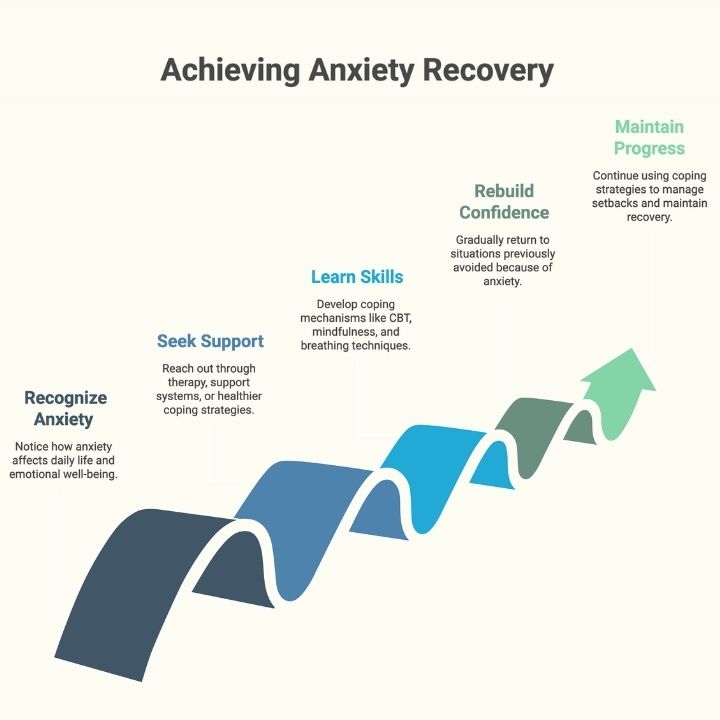
Anxiety recovery stages usually happen gradually instead of all at once. Recovery involves recognizing anxiety patterns, learning coping skills, rebuilding confidence, and responding to setbacks with less fear and avoidance.
Stage 1: Recognizing anxiety is affecting your life
Anxiety may stop feeling like occasional stress and start affecting sleep, focus, relationships, routines, or emotional well-being more consistently. Recovery often begins once people recognize these patterns, stop dismissing their symptoms, and understand that anxiety may be treatable instead of a personal failure.
Stage 2: Reaching out for support
The second stage usually involves looking for support through therapy, medical care, trusted relationships, or healthier coping strategies. This stage often includes learning about anxiety symptoms, understanding triggers, and building initial tools that help reduce emotional overwhelm.
Stage 3: Learning skills that reduce anxiety
Learning coping skills becomes an important part of anxiety recovery once people begin responding to symptoms differently.
Cognitive Behavioral Therapy (CBT), mindfulness, grounding exercises, breathing techniques, and healthier routines may help reduce anxiety intensity and improve emotional regulation.
Stage 4: Rebuilding confidence and reducing avoidance
As anxiety feels less controlling, many people slowly begin returning to situations they previously avoided. People slowly rebuild confidence by attending social events, driving again, setting boundaries, speaking up at work, or re-engaging with routines they previously avoided because of fear or overwhelm.
Stage 5: Maintaining progress through setbacks
The last stage of recovery involves maintaining healthier coping strategies during stressful periods or temporary setbacks. Difficult days can still happen, but anxiety often feels less overwhelming and easier to manage without falling back into the same level of fear, avoidance, or emotional exhaustion.
What progress looks like during anxiety recovery time

Progress during anxiety recovery often looks smaller and slower than people expect. Recovery is not always the complete disappearance of anxiety symptoms. Improvement often happens through better emotional regulation, reduced avoidance, and feeling more able to manage daily life.
Common signs of anxiety recovery progress include:
- Panic symptoms are happening less frequently
- Returning to calm more quickly after stress
- Feeling less afraid of physical anxiety symptoms
- Avoiding fewer situations or responsibilities
- Responding with more self-compassion after difficult days
When anxiety recovery needs therapy support
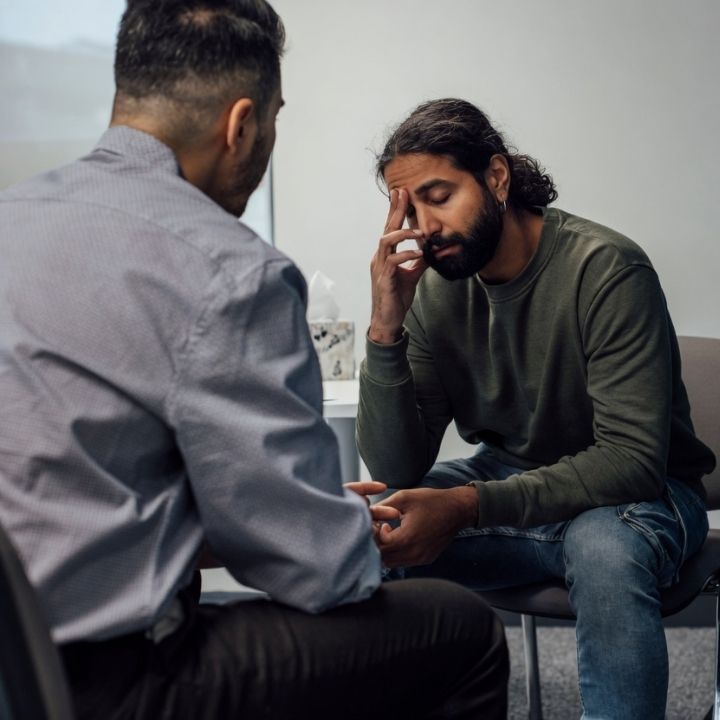
Anxiety recovery may need professional support when symptoms begin affecting sleep, work performance, relationships, physical health, or daily functioning more consistently. Some people spend months or years managing anxiety alone before realizing how much chronic stress and avoidance affect quality of life.
Therapy may help when anxiety causes:
- Frequent panic attacks
- Emotional shutdown or burnout
- Constant reassurance-seeking
- Avoidance of work, driving, or social situations
- Difficulty calming racing thoughts
Anxiety symptoms can also overlap with OCD, trauma responses, chronic stress, depression, and nervous system dysregulation.
Therapy can help people better understand these patterns while building healthier coping strategies that support long-term recovery.
Move through anxiety recovery with the right support
Anxiety recovery can feel slow, frustrating, and emotionally exhausting, especially during stressful periods or setbacks. Recovery does not always happen in a straight line, but recognizing patterns, reducing avoidance, building coping skills, and understanding anxiety more clearly can make things feel more manageable over time.
Sommer Psychology Group help adults build practical coping strategies that support long-term anxiety recovery and emotional regulation. Get a Free 20-Minute Consultation to learn how therapy can help you feel more supported and less overwhelmed.
Frequently asked questions
How long does it take your body to recover from anxiety?
Anxiety recovery can take weeks, months, or longer depending on stress levels, nervous system sensitivity, coping skills, and support. Physical symptoms often improve gradually as sleep, emotional regulation, and stress management become more consistent.
Can people fully recover from anxiety?
Yes, significant anxiety recovery is possible with consistent coping strategies, therapy support, and nervous system regulation. Recovery often means anxiety no longer controls thoughts, routines, relationships, decisions, or emotional well-being in the same way.
How to feel normal again after anxiety?
Feeling more stable after anxiety often starts with rebuilding routines, improving sleep, reducing avoidance, and calming the nervous system consistently. Recovery usually happens gradually as the brain stops responding to everyday situations like constant threats or emergencies.
What are common anxiety recovery setbacks?
Stressful life events, burnout, poor sleep, overstimulation, avoidance, and major routine changes commonly trigger temporary setbacks during anxiety recovery. Difficult periods do not erase progress when coping skills and support systems remain consistent during stressful moments.
What can worsen your anxiety?
Poor sleep, chronic stress, caffeine, alcohol, overstimulation, emotional burnout, and constant reassurance-seeking can worsen anxiety symptoms over time. Avoidance behaviors and untreated mental health conditions may also increase panic symptoms, fear responses, and emotional exhaustion.