
How do adults with ADHD calm their mind without medication? ADHD overwhelm can make focus, emotions, and daily responsibilities feel harder to manage.
Learning how to calm down ADHD starts with reducing overstimulation, improving routines, getting enough sleep, using movement to support focus and emotional regulation, and building healthier coping skills through therapy.
Symptoms may not disappear completely, but small changes can make daily life feel more manageable, less reactive, and easier to navigate.
Here are some strategies that may help adults with ADHD feel calmer and more regulated.
What helps adults with ADHD calm down without medication?
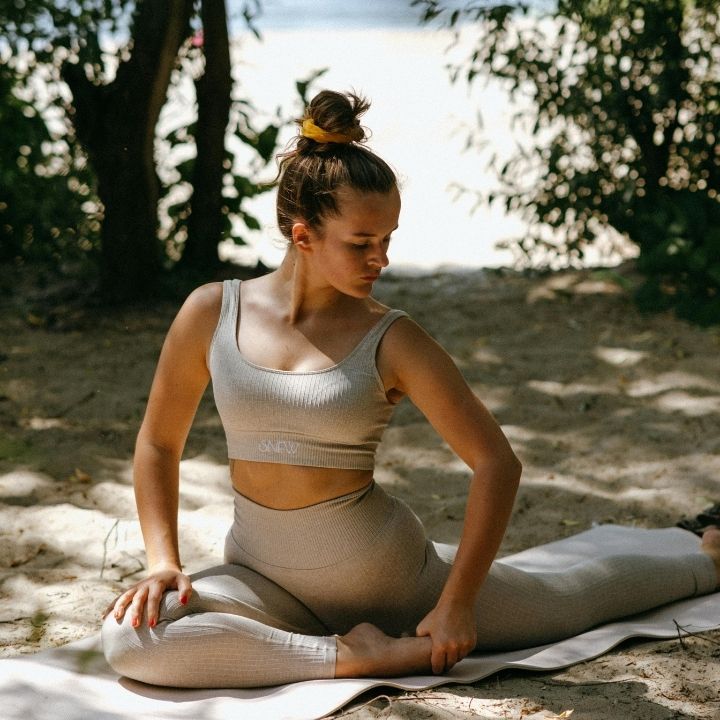
Adults with ADHD often feel calmer when daily habits reduce overstimulation and improve focus. Non-medication ADHD support usually focuses on structure, movement, sleep, and emotional regulation.
Physical activities, especially yoga, walking outside, spending time outdoors, cardio, and strength training, may help release excess energy and improve concentration. Research suggests that at least 150 minutes of weekly exercise often results in better attention and lower impulsive behavior.
Along with movement, enough sleep and predictable routines may help improve organization, emotional stability, and mental recovery. Reminders, visual schedules, and consistent structure can also make daily responsibilities feel easier to manage.
Cognitive Behavioral Therapy (CBT) helps people recognize unhelpful patterns, manage overwhelm more effectively, and build healthier coping strategies for stress, procrastination, and emotional regulation.
How to deal with ADHD overwhelm in the moment
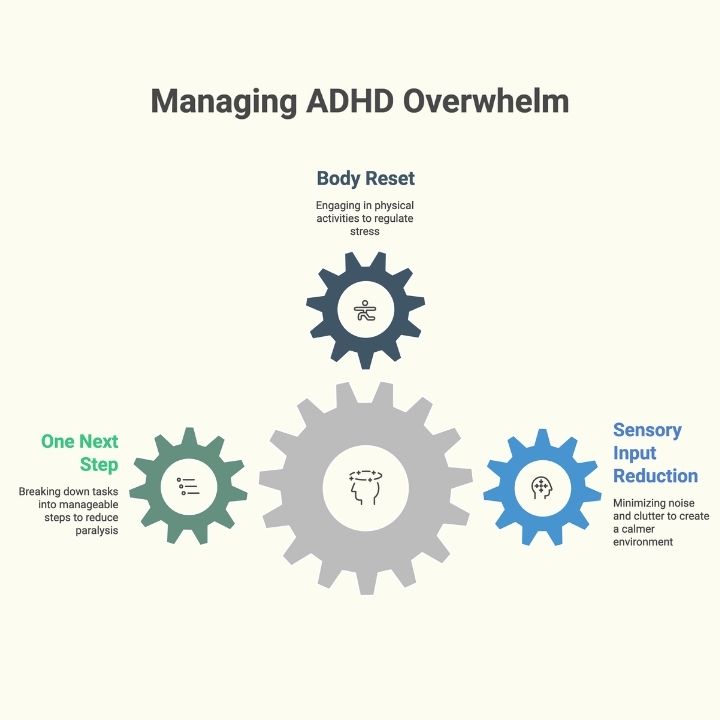
ADHD overwhelm often increases when the brain processes too many demands at once. Reducing stimulation, calming the body, and focusing on one small step help the nervous system feel more regulated.
Sensory input
Reducing noise, clutter, and constant notifications may help calm ADHD overwhelm quickly. A quieter and simpler environment often makes it easier to focus and process information.
Body reset
Physical movement may help regulate stress responses during ADHD overwhelm, especially mind-body exercises like yoga or tai chi.
A short walk, stretching, spending time outdoors, deep breathing, or even 10 minutes of cardio may help lower physical tension and improve focus.
One next step
Breaking tasks into one small step may help reduce ADHD paralysis and mental overwhelm. Focusing on one immediate task instead of the entire situation can make things feel easier to start and manage.
What daily strategies help adults with ADHD feel calmer?
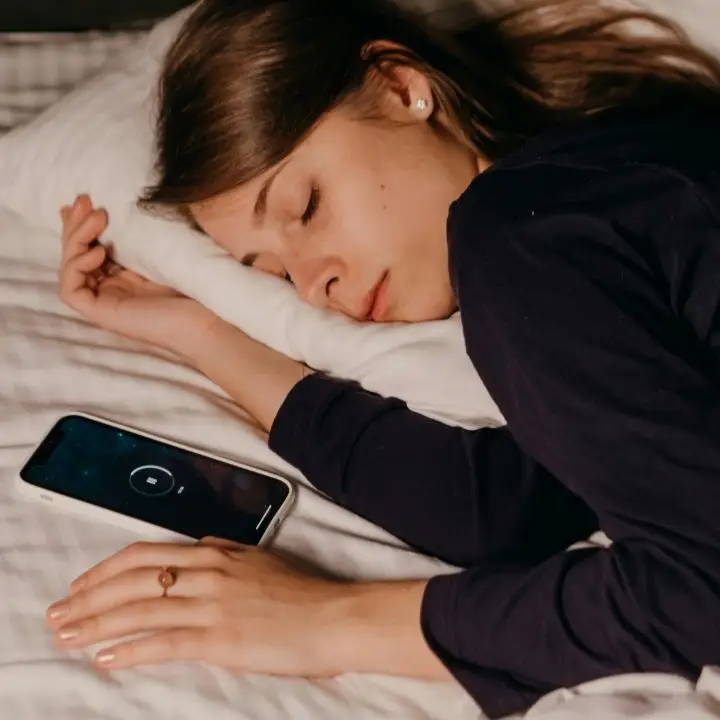
Adults with ADHD often feel more emotionally regulated when routines reduce unpredictability and mental overload. Consistent structure usually supports long-term symptom management more effectively than relying on motivation alone.
Sleep and screen boundaries
Consistent sleep routines may improve focus, emotional regulation, and stress tolerance. Limiting screens before bed and maintaining a regular sleep schedule can help reduce racing thoughts and mental exhaustion.
External structure
External systems help reduce the pressure of remembering everything mentally. Calendars, alarms, visual reminders, and designated spaces for important items often improve follow-through and lower daily stress.
Stress reduction
Stress commonly intensifies ADHD symptoms, especially emotional reactivity and mental fatigue. Mindfulness, therapy, movement, journaling, and scheduled breaks may help adults recover from overwhelm more consistently.
When should adults with ADHD get more support?

Many adults spend years coping independently before realizing how much chronic overwhelm affects their quality of life. Professional support may help when someone experiences:
- Frequent emotional shutdowns
- Severe procrastination or paralysis
- Anxiety is connected to ADHD symptoms
- Burnout from constant mental effort
- Difficulty maintaining routines consistently
ADHD symptoms can overlap with anxiety disorders, OCD, depression, trauma responses, and chronic stress. Therapy can help adults understand these patterns while developing coping strategies that feel more supportive and sustainable long-term.
Start adult ADHD therapy in Indianapolis or online in Indiana
Managing ADHD without medication often starts with small habits that make daily life feel calmer, more structured, and less overwhelming. Even simple adjustments can help improve focus, reduce mental overload, and make responsibilities feel easier to manage.
ADHD can still feel frustrating during stressful or overstimulating periods, but support is available. If symptoms have been making daily life feel harder to manage, Get a Free 20-Minute Consultation with us to help you find your support options.
Frequently asked questions
What makes ADHD worse in adults?
Poor sleep, chronic stress, burnout, multitasking, and overstimulating environments commonly worsen ADHD symptoms. Anxiety, inconsistent routines, and high screen time may also increase distractibility, impulsivity, and emotional overwhelm.
What are common ADHD triggers?
Common ADHD triggers include loud environments, clutter, interruptions, tight deadlines, emotional conflict, and too many responsibilities at once. Stress and overstimulation may also increase procrastination, forgetfulness, and difficulty focusing.
What does untreated ADHD look like in adults?
Untreated ADHD in adults may cause chronic procrastination, forgetfulness, impulsive decisions, emotional overwhelm, and difficulty completing tasks. Many adults experience burnout, relationship stress, anxiety, and low self-esteem.
What vitamins help with ADHD?
Omega-3 fatty acids are the most researched supplements connected to ADHD support. Magnesium, vitamin D, zinc, and iron may affect focus, mood, sleep, and cognitive functioning when deficiencies are present.
Should adults with ADHD see a therapist or psychiatrist?
Therapists help adults improve coping skills, routines, and emotional regulation. Psychiatrists focus on diagnosis and medication management. Some adults benefit from therapy alone, while others benefit from combined support.